


Honey bags are a type of plastic bag made of biaxially oriented polyethylene terephthalate (BoPET), commonly known as polyester film. Mylar film is a very durable, flexible and reflective plastic film that was first developed in the 1950s.
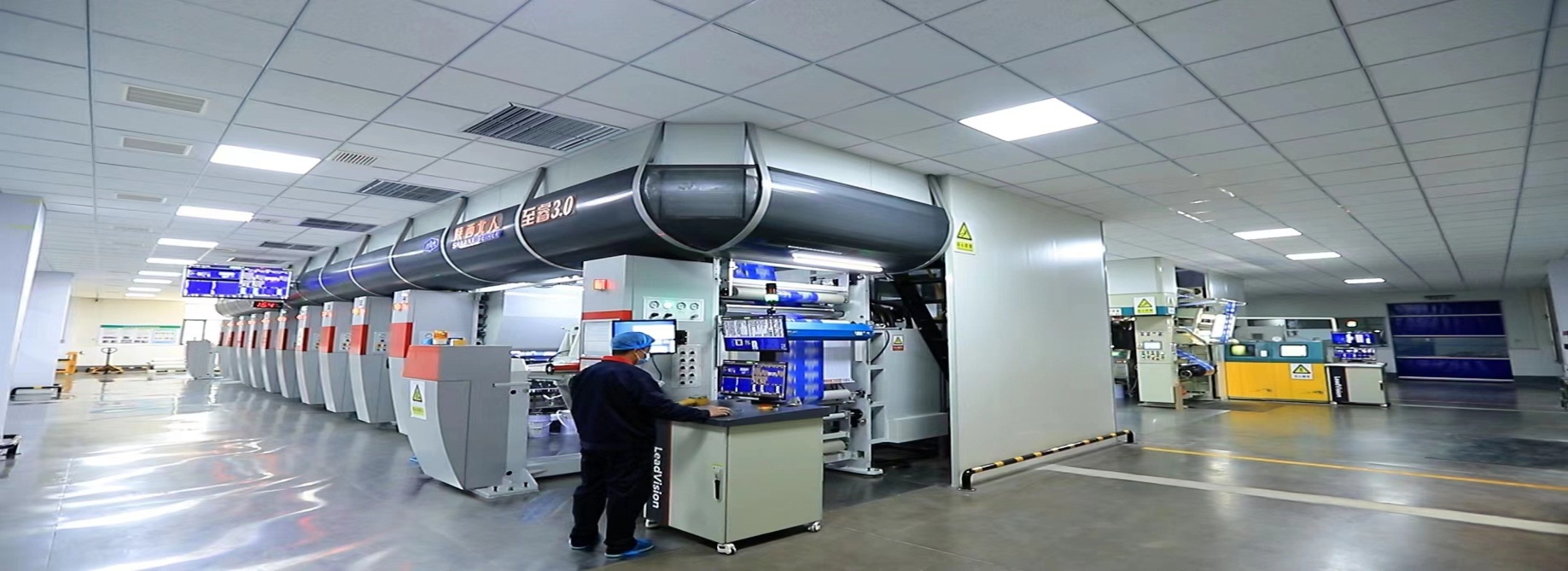
Bisheng Mylar Bags go through a specialized manufacturing process:
• Polyethylene terephthalate (PET) plastic resin is heated, melted and blown into a film.
• The PET film is then stretched and biaxially oriented along two axes to give it strength.
• Oriented PET (BoPET) is bonded with a thin layer of aluminum to give it reflective properties.
• The material is held under high tension at more than 200°F to soften the film into a strong, flexible sheet of polyester film.
Key Benefits of Mylar Bags
Several key benefits make Mylar an ideal material for bags and packaging:
• Moisture and oxygen barrier – The aluminized surface effectively blocks moisture and oxygen. This helps preserve food and prevent its deterioration.
• Punching and tear resistance: Compared to other plastic films, polyester film is very durable and does not tear or tear easily during packaging, shipping and storage.
• Flexible yet strong – Biaxial orientation gives polyester bags flexibility and tensile strength. The bag maintains integrity while also taking the shape of the contents.
• Clear Vision: Polyester film (Mylar) allows clear visibility of the content, while blocking UV rays that can damage the content.
Common Uses for Mylar Bags
Because of these useful properties, some common uses for mylar bags include:
• Long-term food storage – Used to safely store dry foods such as grains, beans, coffee, and nuts to prevent spoilage.
Mylar bags are a must-have for safely storing and protecting a wide range of items. Their unique durable, reflective, transparent, and barrier properties make them ideal for a variety of packaging needs across many industries.


