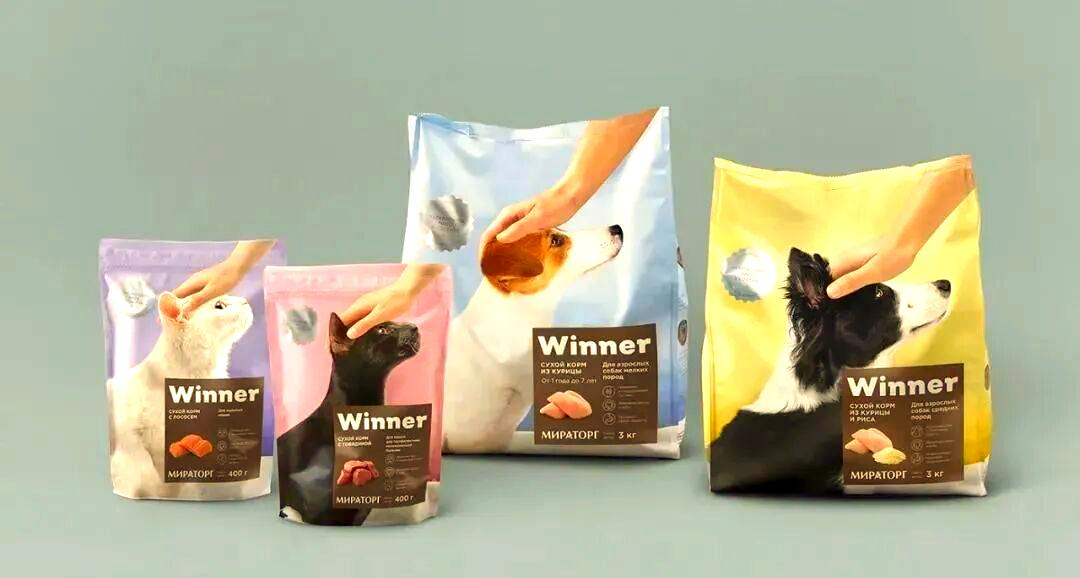


01 Pet packaging market trends
The global packaging market is expected to grow at an average annual rate of nearly 3% between 2018 and 2028, exceeding $1.2 trillion in value. The growth of the pet packaging industry is even faster, with the market value of pet food packaging expected to reach $13.78 billion by 2026, representing a CAGR of 6.79%. Packaging plays a crucial role in the boom of the pet industry. Unique, customized packaging designs can quickly attract the attention of pet owners, while high-quality packaging is a strong guarantee of food quality.
Meanwhile, with consumers increasingly focusing on environmental protection and social responsibility, sustainable design has become an important trend in the pet packaging market. Statistics show that 55 per cent of Generation Z consumers say they are willing to pay higher prices for corporate products " . . committed to having a positive impact on society and the environment. " This trend further drives the market demand for pet packaging products designed with sustainability in mind.
02 Pet Food Safety Regulations
U.S. Regulatory Updates
Recently, the American Association of Food Control Officers (AAFCO) made significant revisions to the Model Pet Food and Specialty Pet Food Regulations, covering standardization of nutritional information, clarification of ingredient claims, and specific instructions for storage and handling. This update is the first major change to the guide in more than 40 years, with the aim of improving the consistency and transparency of pet food and specialty pet food packaging, thereby promoting the continuous development and progress of the pet food industry.
◇ Main Japanese Regulations
Japan is one of the few countries with specific regulations for pet food. Its Pet Food Safety Law, also known as the "New Pet Law," imposes stricter controls on production quality. This regulation clearly stipulates which ingredients are strictly prohibited in pet food, and also sets detailed requirements for aspects such as the control of pathogenic microorganisms, the description of additive ingredients, the classification and labeling of raw materials, specific feeding targets, country of origin, and nutritional indicators.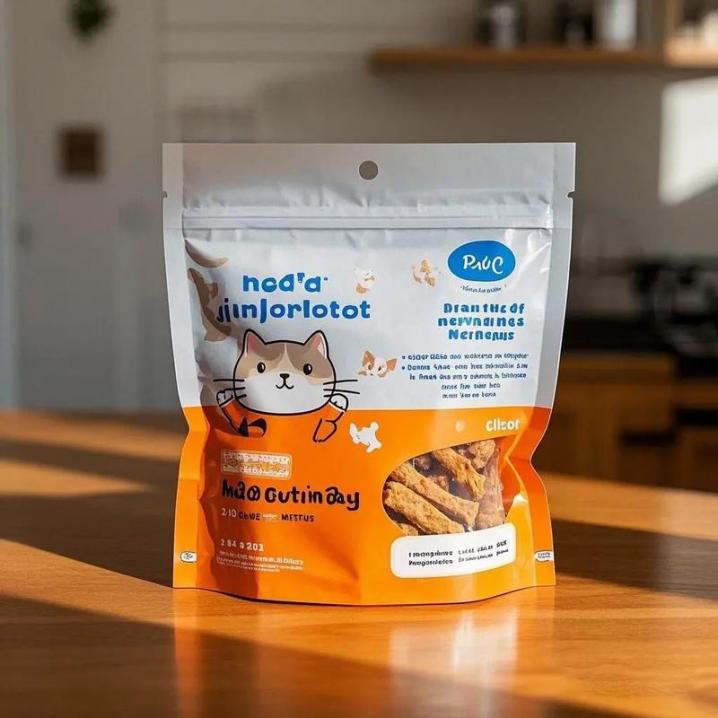
◇ EU regulations
The European Food Safety Authority (EFSA) has clearly regulated the content of ingredients used in animal feed, as well as the sale and use of food of animal origin. In addition, the European Food Industry Association (FEDIAF) has also established nutritional standards for the formulation and production of pet food. EFSA also requires detailed classification and labelling of raw materials in pet food packaging.
◇ Canadian Quality Requirements
The Canadian Food Inspection Agency (CFIA) has imposed strict quality system requirements in the pet food production process. These requirements cover specific details of each aspect, from raw material procurement, storage, production processes, sterilization, infection prevention, ensuring the safety and quality of pet food.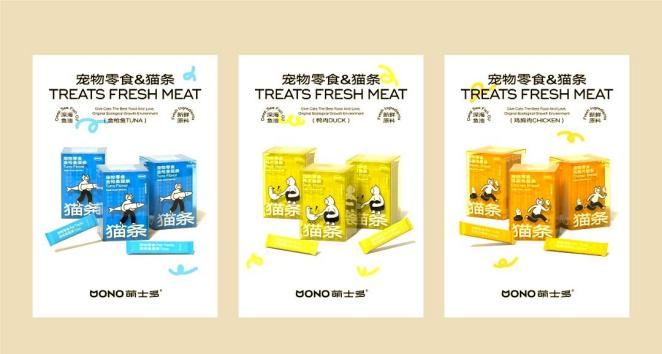
03 Innovative Pet Packaging Design
◇ Brand packing and display
Packaging, as an important carrier for brands to showcase themselves and convey their values, not only reflects the brand's unique style but also silently resonates with consumers emotionally. For pet products, packaging design also needs to keep up with the times and continuously innovate to attract consumers' attention. Today, pet packaging trends are increasingly merging with the packaging design of "human products," jointly showcasing a fusion of fashion and innovation.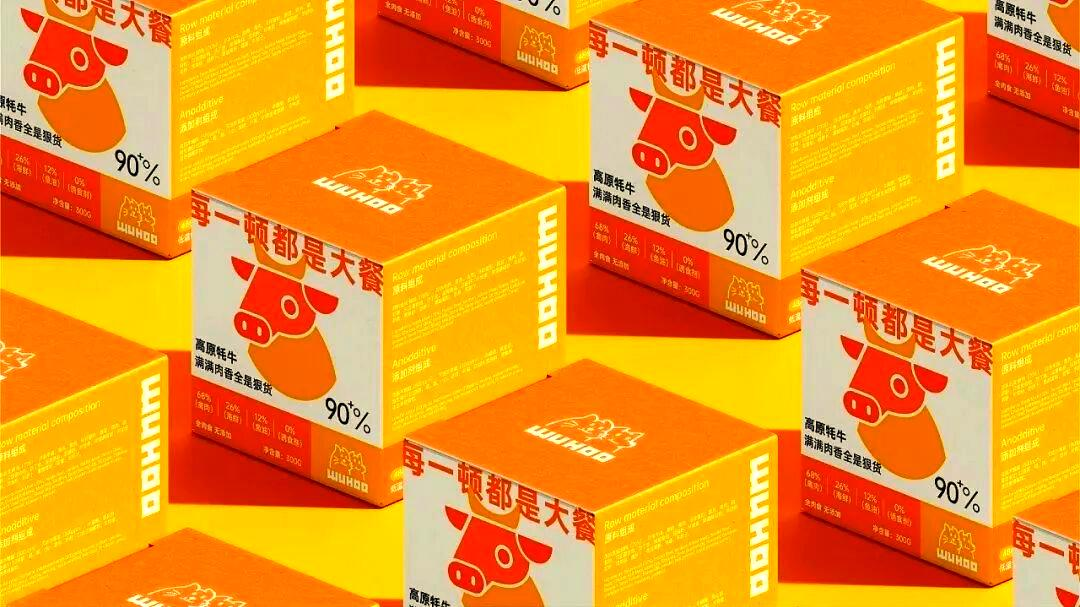
◇ Environmental Protection and Innovation
With the booming pet market and consumers' growing environmental awareness, environmentally sustainable food packaging solutions have become a new demand. In recent years, designing easily recyclable packaging and improving plastic waste recycling and disposal mechanisms have become hot topics in the industry. These initiatives collectively constitute the diverse connotations of environmentally friendly packaging.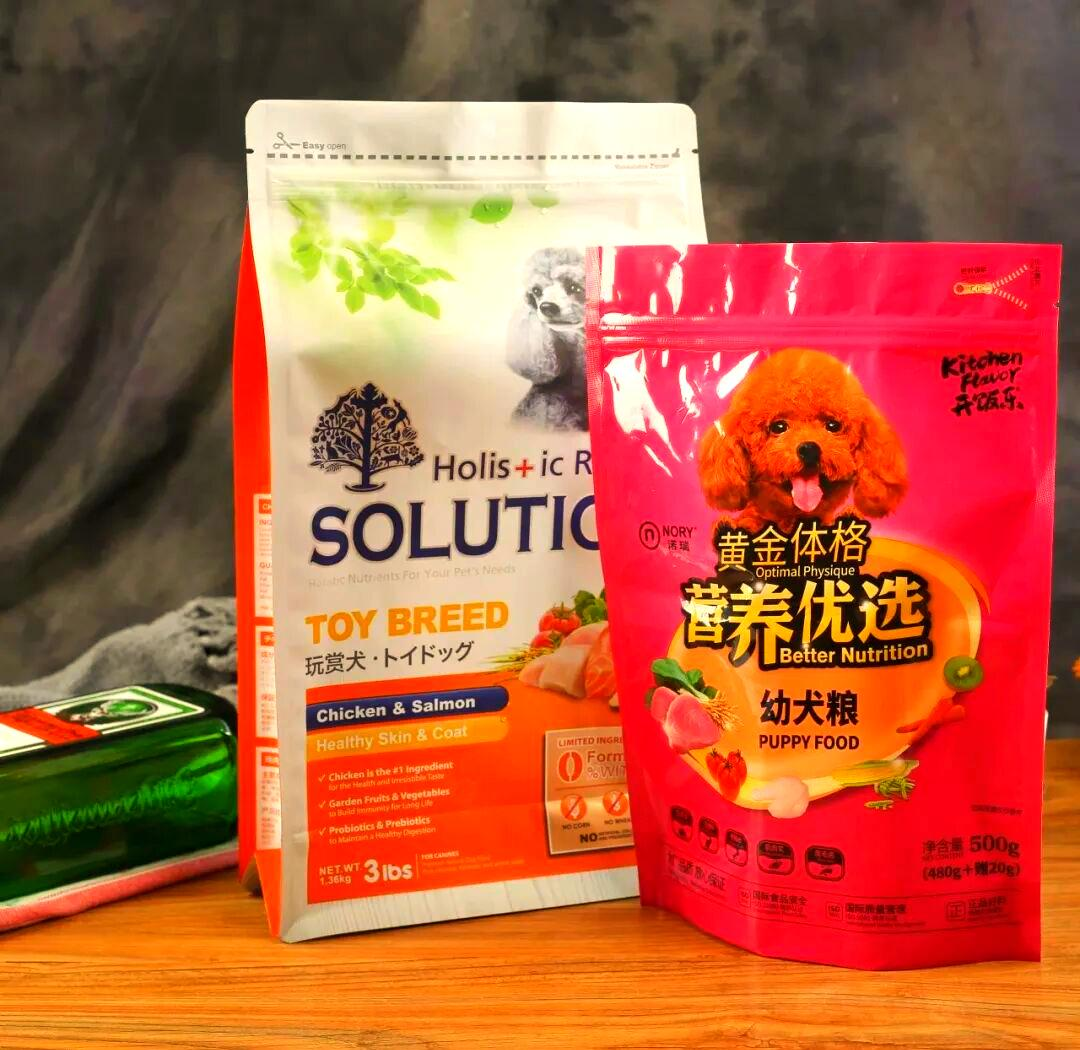
◇ Convenience Design
In the pet food market, convenience has become an indispensable consideration in packaging design. As consumers increasingly demand freshness and ease of use for pet food, brands are seeking innovation to meet this challenge. Stand-up pouches, resealable zippers, and practical tear-off slits are successful examples borrowed from the snack industry. These designs not only make it easy for pet owners to access and store food but also ensure the freshness of the food with each feeding.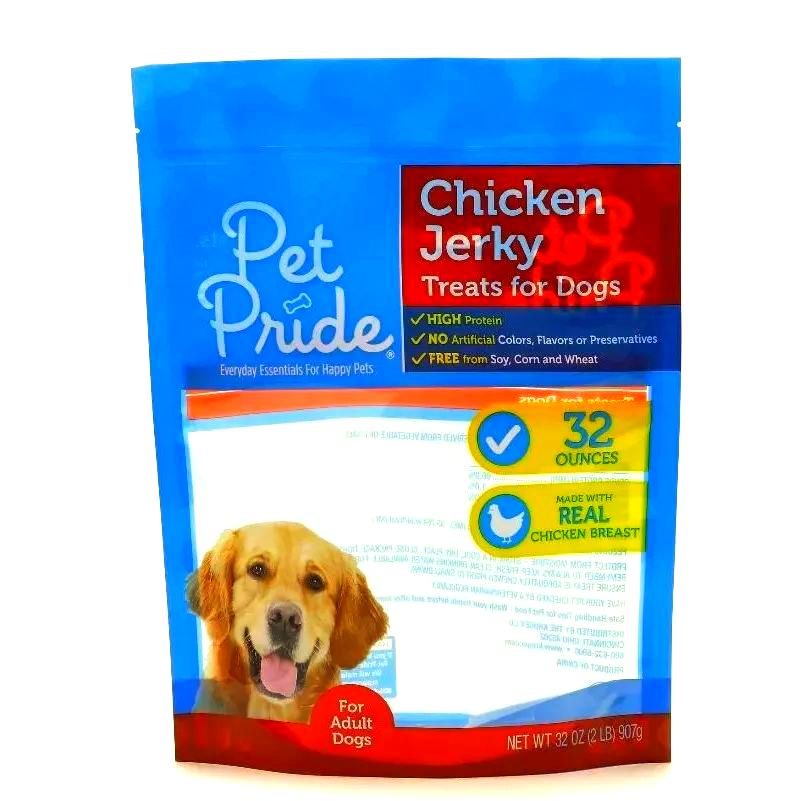
04 Environmental Packaging Practices
◇ Environmentally Friendly Material Selection
With the continued growth of the pet market and the increasing environmental awareness of consumers, the demand for environmentally friendly food packaging is growing rapidly. Consumers not only expect more packaging options and clear packaging communication but also place higher demands on the environmental friendliness of packaging materials. In recent years, designing easily recyclable packaging and improving plastic waste recycling and disposal mechanisms have become hot topics in the industry.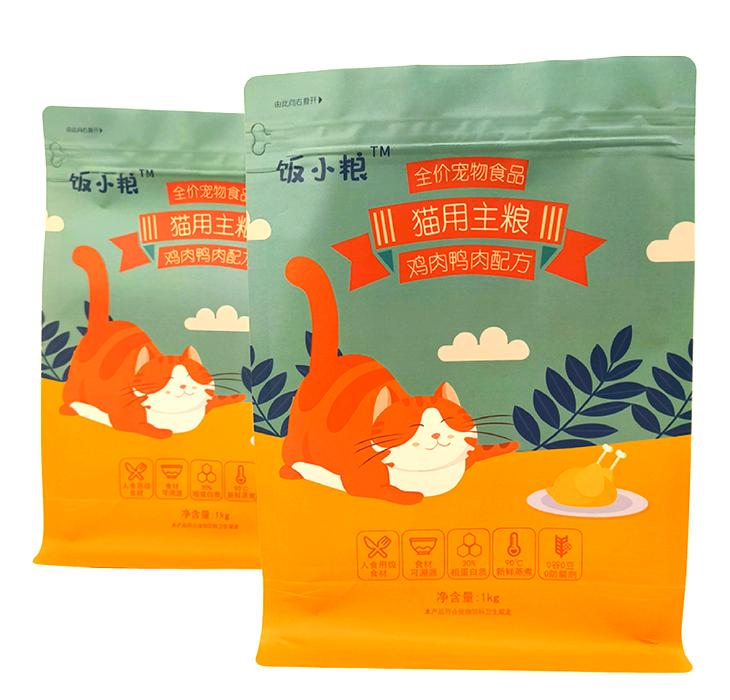
◇ Packaging Recycling and Reuse
Improving the recycling and reuse rates of packaging is an important way to reduce waste and achieve sustainable development. Some pet food packaging uses environmentally friendly materials that are easy to recycle; while packaging for other products focuses on reuse to extend its lifespan.